Home accessories styling can make a room feel personal, finished, and welcoming when it is handled with restraint. Accessories are often the easiest items to buy, which also makes them the easiest way to create clutter. A tray, vase, lamp, bowl, mirror, book, candle, or textile can improve a room when it supports the design. Too many unrelated pieces can make the same room feel busy and unfocused. The Color, Texture, and Accessories Handbook helps homeowners use accessories as intentional finishing layers instead of random decoration.
Why Home Accessories Styling Needs Editing
Home accessories styling needs editing because not every beautiful object belongs in every room. A piece may look good in a store but feel wrong at home if it does not match the palette, scale, or mood. Editing helps the strongest pieces stand out. A few well-placed accessories can make a room feel more expensive than a crowded surface full of small items. Styling should clarify the room, not distract from it.
Start With the Room’s Main Materials
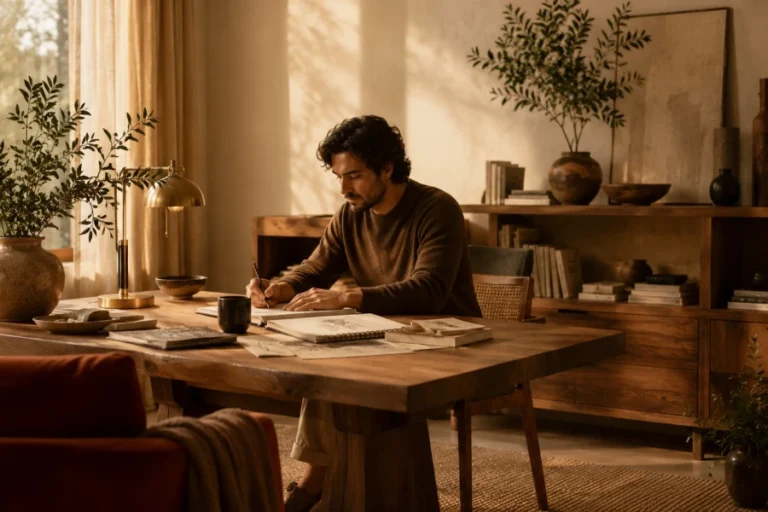
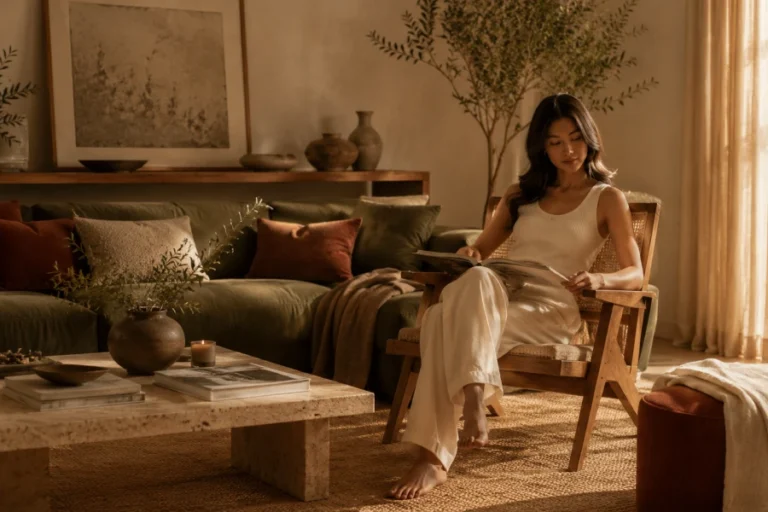
Accessories work best when they repeat or complement the room’s main materials. If a room includes wood, linen, brass, stone, and soft wool, accessories can echo those textures. The Color, Texture, and Accessories Handbook helps homeowners connect objects through material and color. This makes the room feel cohesive. Repetition does not mean everything must match. It means the pieces should feel like they belong in the same visual world.
Use Scale to Create Balance
Scale matters more than many people realize. Tiny accessories on a large console can look scattered. Oversized pieces on a small shelf can feel heavy. A balanced arrangement usually mixes heights, widths, and shapes. Try one taller item, one medium object, and one lower piece in a group. Leave space around them so the arrangement can breathe. Scale helps accessories look designed rather than dropped into place.
Layer Textiles for Comfort
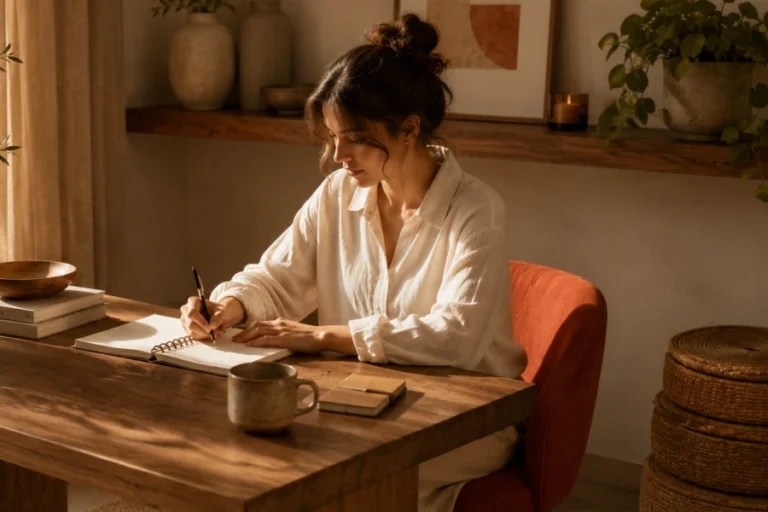
Textiles are some of the most useful accessories because they add comfort as well as style. Throws, pillows, curtains, rugs, runners, and cushions can change the entire mood of a room. A neutral space can become warmer with woven texture, soft fabric, or subtle pattern. The key is to layer thoughtfully. Too many pillows or competing patterns can make the room feel fussy. A few strong textiles can add enough softness.
Make Personal Items Feel Curated
Personal objects make a home feel alive. Family pieces, travel finds, handmade ceramics, favorite books, or meaningful art can add depth that new decor cannot. The secret is curation. Group meaningful objects with simpler pieces so they feel intentional. Give important items enough space. Avoid spreading small sentimental objects across every surface. The Color, Texture, and Accessories Handbook helps turn personal items into design details without making the room feel crowded.
Finish Rooms With Intention
Accessories should create warmth, rhythm, and personality while keeping the room easy to live in. Choose fewer pieces, repeat materials, and leave space where the eye can rest. For color and texture planning, read the Color Texture and Accessories article. For decluttering before styling, continue with the AI Decluttering Decisions article. The Color, Texture, and Accessories Handbook helps make styling feel polished, calm, and personal.