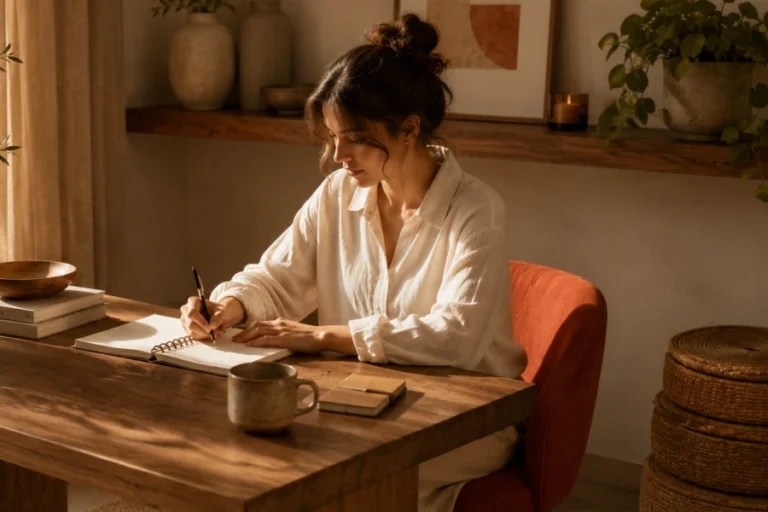
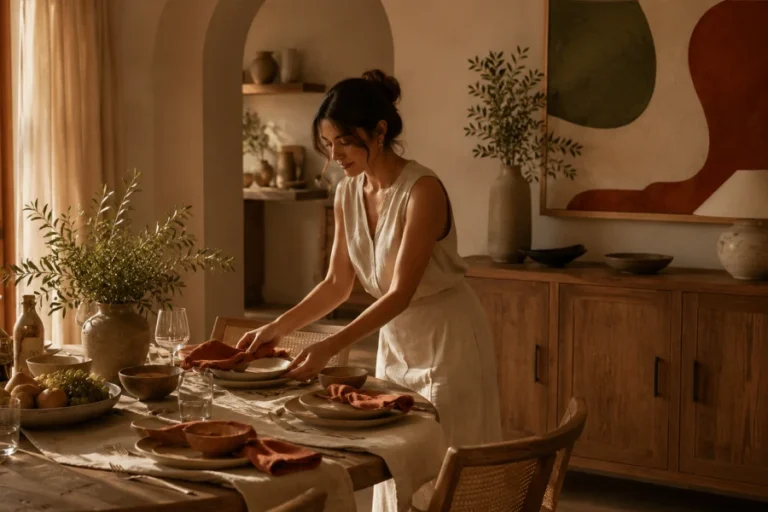
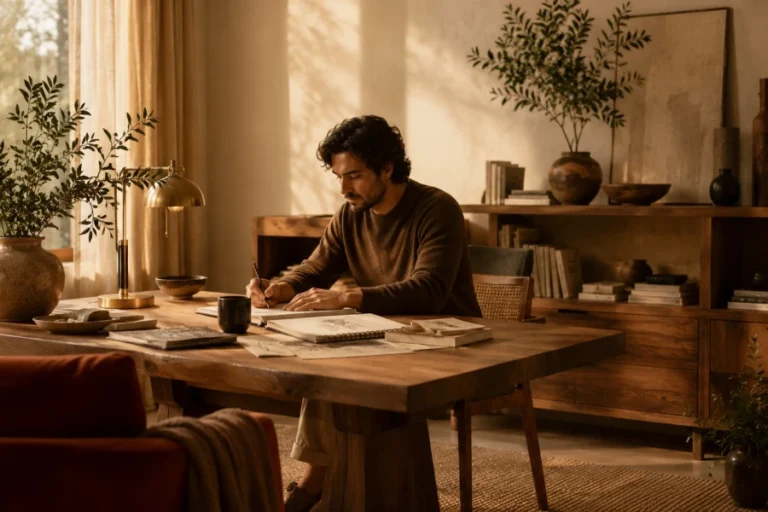
Color texture and accessories can change a room from unfinished to intentional without requiring a full renovation. Many homes already have useful furniture, but the space still feels flat because the finishing layers are missing. Color sets the mood, texture adds depth, and accessories create personality. When these three elements work together, a room feels warmer, more balanced, and easier to enjoy. The Color, Texture, and Accessories Handbook helps homeowners style rooms with more confidence by turning small design choices into a clear, repeatable process.
Why Color Texture and Accessories Matter
Color texture and accessories matter because they shape the emotional experience of a room. A neutral sofa can feel calm, cold, elegant, or plain depending on what surrounds it. A warm throw, a textured rug, soft lamps, ceramic pieces, and layered artwork can completely shift the mood. These details help the room feel lived-in rather than staged. The goal is not to fill every surface. The goal is to choose layers that support the feeling you want the space to carry.
Start With a Clear Color Direction
A clear color direction makes every other design choice easier. Choose a base palette first, then add supporting colors and small accents. Cream, taupe, olive, charcoal, terracotta, soft blue, warm white, and natural wood tones can all create different atmospheres. The Color, Texture, and Accessories Handbook helps connect color choices with room mood, so the palette does not feel random. Once the palette is clear, accessories become easier to edit.
Use Texture to Add Depth
Texture keeps a room from feeling flat. Linen, boucle, wool, rattan, glass, stone, wood, velvet, metal, and ceramic all reflect light differently and create visual interest. A room with only smooth surfaces can feel cold, even when the colors are warm. A thoughtful mix of textures makes the space feel layered and comfortable. Try combining soft textiles with harder natural materials. This creates contrast without making the room feel busy.
Choose Accessories With Purpose
Accessories should support the room, not clutter it. A vase, tray, lamp, stack of books, framed print, bowl, candle, or sculptural object can add personality when placed carefully. The strongest accessories often repeat colors, materials, or shapes already present in the room. This creates connection. If an item does not support the palette, function, or mood, it may be better placed elsewhere. Styling becomes more powerful when each piece has a reason.
Balance Empty Space and Detail
A finished room still needs breathing room. Empty space helps the eye rest and makes the chosen accessories feel more important. A shelf, coffee table, or console does not need to be completely filled. Use varied heights, grouped objects, and negative space to create balance. The Color, Texture, and Accessories Handbook helps homeowners avoid overdecorating by showing how color and texture can do some of the visual work.
Make the Room Feel Styled, Not Crowded
Good styling should make a room easier to enjoy. Start with color, deepen the look with texture, and finish with accessories that feel personal. For smarter design planning, read the AI Smart Home Design Planner article. For better room editing, continue with the AI Decluttering Decision Guide article. The Color, Texture, and Accessories Handbook helps turn ordinary rooms into warmer, more complete spaces.